Zohran Mamdani: The New Mayor of New York City
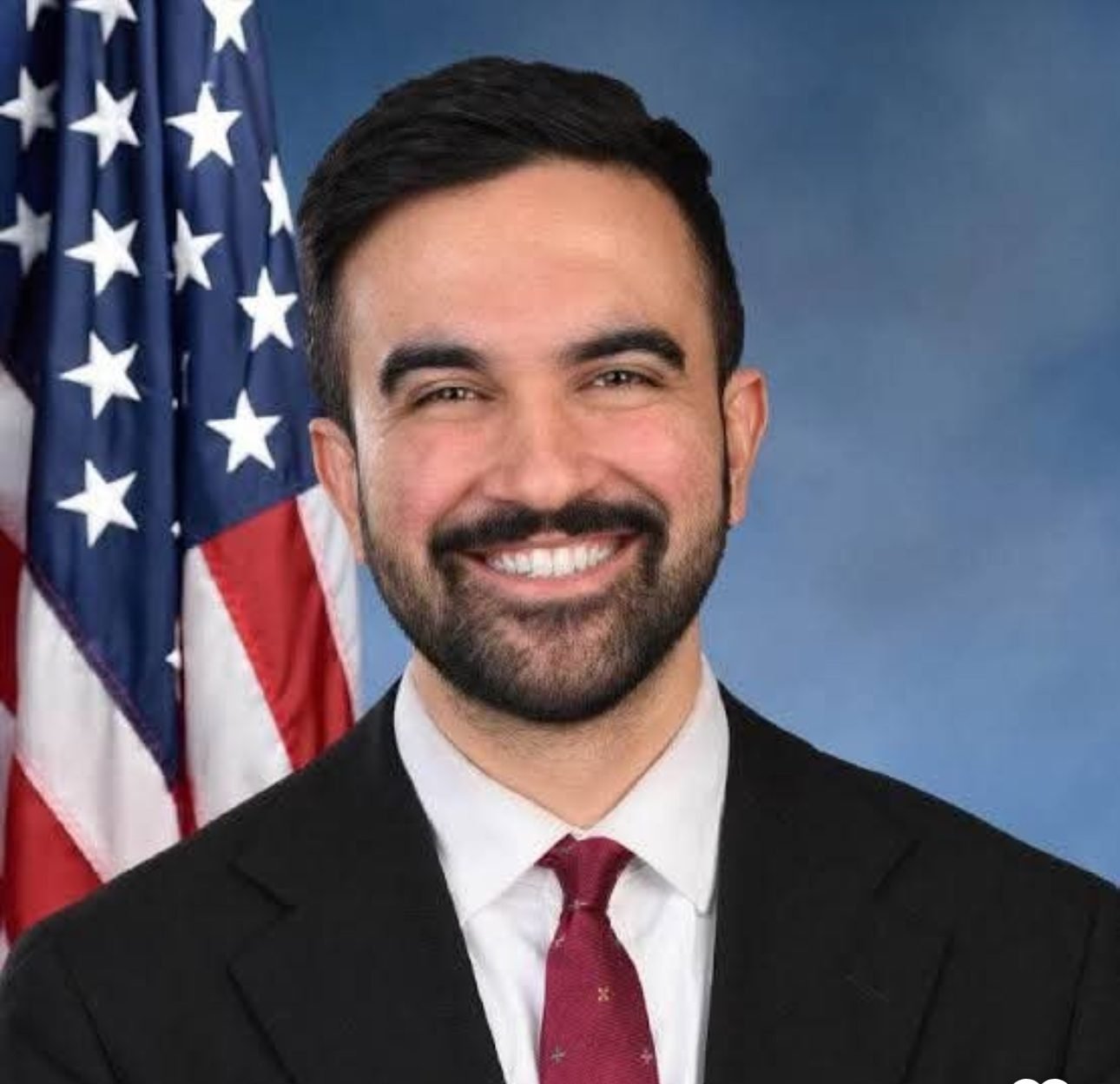
On November 4, 2025, New York City made history. Voters elected 34-year-old Zohran Mamdani as mayor, making him the youngest mayor in more than a century and the city’s first Muslim mayor. But this election was about more than breaking records. It was about hope. About affordability. About a city finally believing that change was possible.
And it all started with one person who refused to campaign the old way.
The Man of the People
Videos flooded the internet during Mamdani’s campaign. He appeared at clubs in Brooklyn—Gabriela, Toñitas, Damballa, Mood Ring, and music venue Elsewhere—speaking to crowds, dancing, and meeting voters where they were.
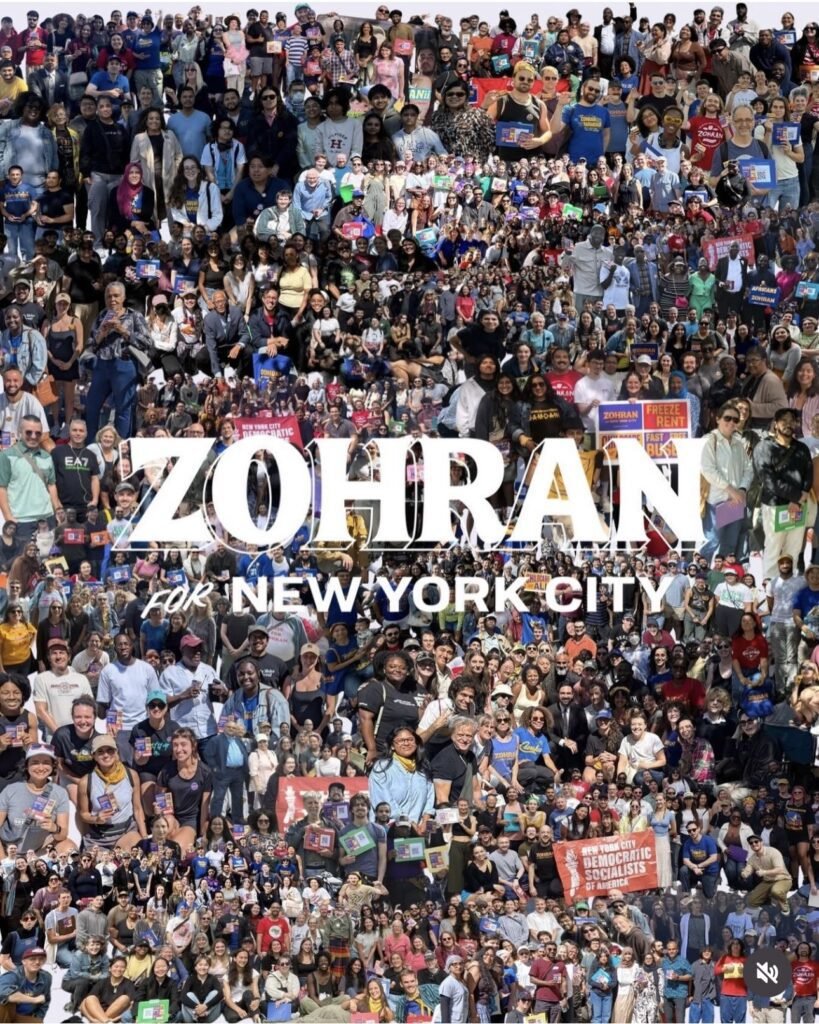
In one viral moment, Mamdani was behind the DJ booth singing and dancing to “Gyal You A Party Animal” before giving an impassioned speech and leading the club into Jay-Z and Alicia Keys’ “Empire State of Mind”.
At a cultural center for the elderly, he participated in tai chi and other cultural dances. He walked the entire length of Manhattan, stopping to talk with everyday New Yorkers. He took the subway like everyone else.
This wasn’t a photo op. This was who he was.
In one video, Mamdani “dapped up” New Yorkers as he walked, saying residents “deserve a mayor they can see, they can hear, they can even yell at”.
That’s a man of the people. Not performing for cameras. Actually showing up.
Understanding the Real Issues
Mamdani’s platform included support for free city buses, a rent freeze in rent-stabilized housing, universal child care, and the construction of 200,000 new affordable housing units. He also proposed a $30 minimum wage by 2030 and operating five city-run grocery stores to drive down prices.
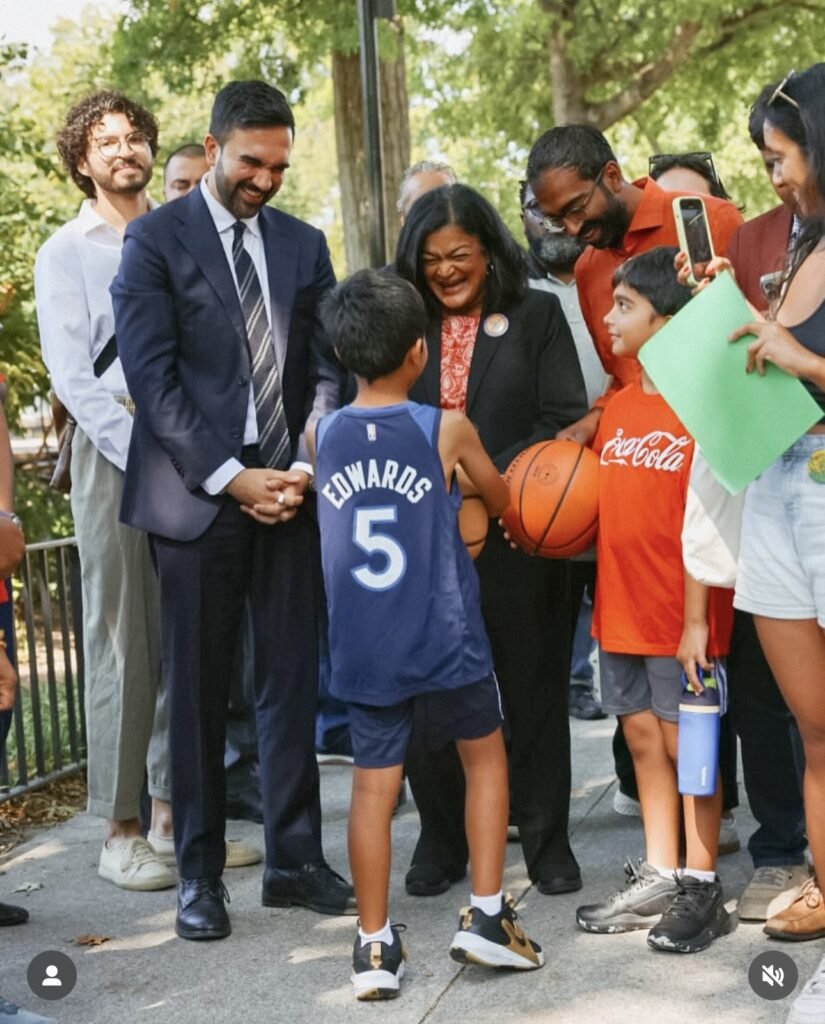
These weren’t abstract policy proposals. These were solutions to the problems keeping New Yorkers up at night.
Rent is crushing people. Transportation costs add up. Childcare is unaffordable. Groceries keep getting more expensive.
Mamdani didn’t just acknowledge these problems. He offered concrete plans to fix them.
As one strategist put it, “It’s not the affordability crisis in this country — it’s, ‘I need new deodorant and it’s $13.99, when did deodorant get to be $13.99?'”
That’s what Mamdani understood. The cost of living crisis isn’t theoretical. It’s in every transaction. Every bill. Every choice between necessities.
The Campaign That Changed Everything
Mamdani was relatively unknown before announcing his candidacy in October 2024, polling as low as one percent in February 2025. By June, he had upset former Governor Andrew Cuomo in the Democratic primary. By November, he had won the general election.
How did an underdog accomplish this?
Social media played a massive role. By election day, Mamdani had amassed more than 1 million followers on Instagram, as well as hundreds of thousands on TikTok and X. One “Subway Takes” TikTok video alone garnered more than 3 million views.
But it wasn’t just about going viral. When voters were asked why they voted for Mamdani, they didn’t say it was because of “some cute thing on social media”—they said they learned about policies that mattered to them.
Mamdani also created campaign materials in Hindi, Urdu, Arabic, Bengali and other languages, speaking directly to immigrant New Yorkers about the issues affecting their lives. He explained ranked-choice voting while speaking fluent Hindi, complete with playful South Asian pop culture references.
More than half of New York City’s South Asian population is of Indian descent, and these communities often aren’t targeted by mainstream campaigns. Mamdani didn’t ignore them. He spoke to them. In their languages. About their concerns.
That’s respect. That’s inclusion. That’s real representation.
The Detractors and the Hate
Of course, not everyone was thrilled about Mamdani’s rise.
Islamophobia trailed his campaign for months. President Trump posted online: “Any Jewish person that votes for Zohran Mamdani, a proven and self professed JEW HATER, is a stupid person!!!” (That’s his exact phrasing, all caps and multiple exclamation points included.)
In early November, Trump threatened to withdraw federal funding for New York City should Mamdani be elected mayor.
During the primary, opponent Andrew Cuomo accused Mamdani of accepting “dirty money”, trying to tie his campaign to controversial organizations without real evidence.
Some critics dismissed him as too young. Too inexperienced. Too radical. Too everything.
Actress Debra Messing was particularly vocal in her opposition to Mamdani, sharing and resharing her thoughts about him on Instagram.
But here’s what matters: Mamdani won anyway. He defeated former Governor Andrew Cuomo and Republican Curtis Sliwa. The election saw more than 2 million voters turn out—the highest turnout for a mayoral election since 1969.
The detractors were loud. But the people were louder.
Why New Yorkers Are Excited
There’s a palpable sense of hope around Mamdani’s election. Not naive optimism. Real, grounded hope that things can actually change.
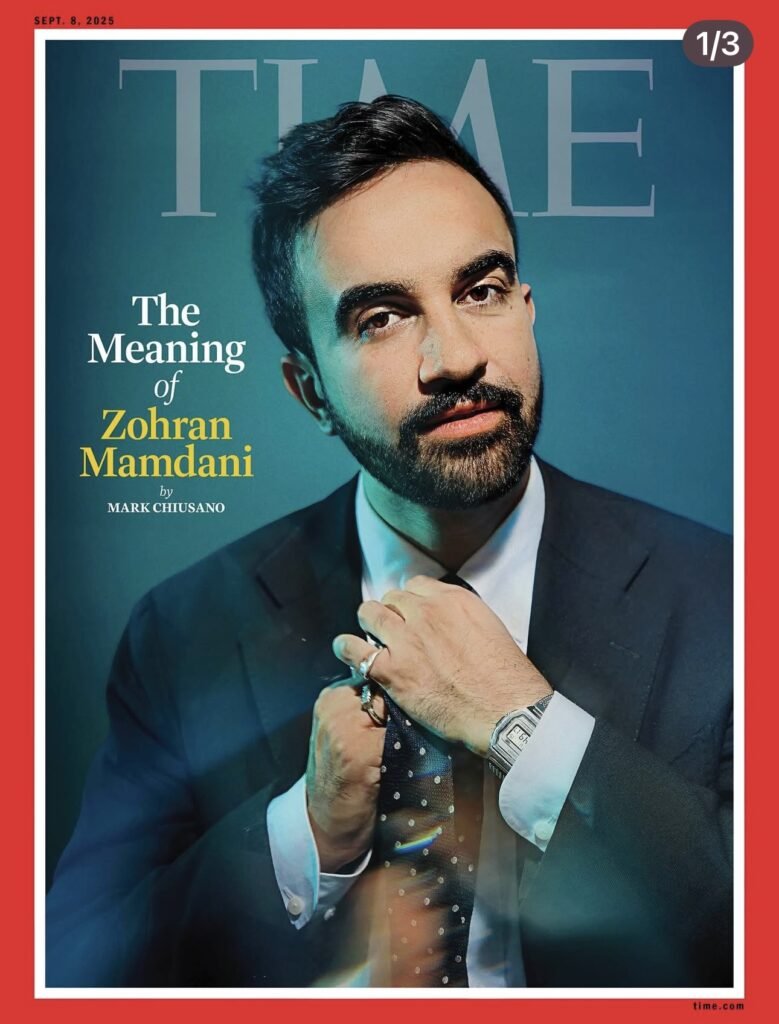
At Kabab King, his favorite restaurant, supporters talked about “30 years of Islamophobia being normalized” and feeling seen for once. One group of young women even playfully mocked the Islamophobic attacks, yelling “Sharia Law, baby!” while laughing.
That’s what representation does. It lets people breathe. It lets them exist without constantly defending their right to exist.
Representative Alexandria Ocasio-Cortez noted that Mamdani “had to defeat a Republican and the old guard of the Democratic party at the same time,” adding that “he still won resoundingly”.
The message? New Yorkers are tired of the status quo. They’re tired of politicians who don’t understand their struggles. They’re tired of empty promises.
Mamdani represents something different. A new generation. A new approach. A new possibility.
A New Era for New York
Mamdani, who spent some of his formative years in South Africa, is of Indian-Ugandan descent. He was born in Kampala, Uganda, to academic Mahmood Mamdani and filmmaker Mira Nair.
His background is uniquely global. His perspective shaped by multiple continents, multiple cultures, multiple ways of seeing the world.
After graduating from Bronx High School of Science and earning a degree in Africana studies from Bowdoin College, Mamdani worked as a housing counselor and musician before entering politics.
He understands housing issues because he worked directly with people facing them. He understands art and culture because he lived them. He understands struggle because he’s seen it up close.
As a State Assembly member since 2021, he helped launch a successful fare-free bus pilot program and participated in a hunger strike alongside taxi drivers.
That’s not performative activism. That’s solidarity. That’s putting your body on the line for what you believe in.
The Ripple Effect Begins
Here’s what excites people most about Mamdani’s victory: the ripple effect.
When one person breaks through, it changes what others think is possible. New York City’s Democratic Socialists of America chapter is already touting Mamdani’s victory in recruitment efforts, calling it just the beginning.
Young people watching this election learned that you don’t need to be part of the establishment to win. You don’t need millions in corporate donations. You don’t need to play by the old rules.
You need a real message. Real connection with voters. And the courage to actually mean what you say.
Already, other Democratic candidates are trying to replicate Mamdani’s approach, creating walking-and-talking videos with saturated colors and quick cuts. His impact is spreading beyond New York.
But it’s more than just campaign tactics. It’s about what’s possible when you actually try to help people instead of just managing their expectations.
One Person, Countless Lives
This is why Mamdani’s story matters to everyone, not just New Yorkers.
One person decided to run for mayor. One person refused to campaign the traditional way. One person spoke directly to the issues keeping people up at night.
And it changed everything.
Now, 200,000 new affordable housing units could be built. Buses could become free, making transportation accessible to everyone. Rents could freeze, giving people breathing room. Universal childcare could let parents work without drowning in expenses.
That’s tens of thousands, maybe hundreds of thousands of lives directly improved. Families who can afford groceries. Kids who get quality childcare. Workers who can get to their jobs without it eating their paychecks.
And beyond the policy, there’s the symbolic impact. Muslim kids seeing someone who looks like them as mayor. South Asian families feeling represented. Young people believing they can make a difference.
That ripple spreads outward. One inspired kid becomes a future leader. One family feeling seen participates more in their community. One person who voted for the first time because of Mamdani stays engaged in politics.
That’s how change compounds. That’s how one person creates a movement.
The Lesson for All of Us
You don’t have to run for mayor to create a ripple effect in people’s lives.
You just have to show up authentically. Understand what people actually need. Refuse to accept that things have to stay broken.
Mamdani danced with voters not because a consultant told him to. He did it because that’s who he is. He spoke multiple languages not for optics. He did it because that’s his community.
He focused on affordability not because it polled well. He did it because it’s what mattered.
Authenticity resonates. Real solutions matter. Showing up consistently changes minds.
Whatever space you’re in—your workplace, your neighborhood, your family, your field—you can be that person who refuses to accept the status quo. Who listens to what people actually need. Who takes action even when others say it’s impossible.
The Work Ahead
Mamdani will take office on January 1, 2026. He’s assembling his team, planning his first 100 days, preparing to govern a city of millions.
The real work is just beginning. Campaign promises have to become policy. Enthusiasm has to translate into governance. Hope has to deliver results.
There will be obstacles. There will be critics who say “I told you so” at every stumbling block. There will be systems resistant to change and interests opposed to reform.
But here’s what New Yorkers bet on: that Mamdani means it. That he’ll keep showing up. That he’ll fight for the policies he campaigned on.
He’s already announced experienced team members, including Dean Fuleihan as First Deputy Mayor, Maria Torres-Springer in a senior role, and his former Chief of Staff Elle Bisgaard-Church.
He’s not winging it. He’s building a real administration ready to govern from day one.
Why This Matters Beyond New York
Cities across America are watching. States are taking notes. Candidates are studying what worked.
Because if a democratic socialist can win in America’s largest city with a progressive platform focused on affordability, what does that say about where the country is headed?
It says people are tired of politicians who don’t understand their struggles. They’re tired of being told to lower their expectations. They’re tired of choosing between rent and groceries, between childcare and savings, between survival and living.
As one strategist described Mamdani’s success: “Zohran cracked the code so many Democrats are searching for: laser-focus on affordability, scroll-stopping videos, and blend Obama’s happy warrior with Bernie’s populist anger”.
That formula isn’t specific to New York. Economic anxiety is everywhere. The cost of living crisis is national. The hunger for real change is universal.
Mamdani proved that meeting that hunger with actual solutions can win elections. That young candidates with bold ideas can beat establishment favorites. That coalition-building across communities creates unstoppable momentum.
The Power of Believing Change Is Possible
Maybe the most important thing Mamdani accomplished was this: he made people believe change was possible.
For years, New Yorkers heard “that’s just how it is.” Rent will keep rising. Subways will stay broken. Nothing can really change.
Mamdani said: what if it could?
What if we froze rents? What if we made buses free? What if we built hundreds of thousands of affordable units? What if we paid workers a living wage?
What if we stopped accepting that struggle is inevitable and started demanding that our government actually help us?
That shift in thinking—from “nothing can change” to “let’s make it change”—is revolutionary. It transforms passive acceptance into active participation. It turns cynicism into hope.
And when millions of people start believing change is possible, it becomes inevitable.
One Person, Infinite Ripples
This is what I want readers to understand: one person really can create a ripple effect in a multitude of lives.
Zohran Mamdani isn’t a superhero. He’s a 34-year-old who decided to run for office. Who worked hard. Who stayed authentic. Who listened to what people needed.
And in doing so, he changed the trajectory of millions of lives in America’s largest city.
You have that power too. Maybe not to become mayor. But to create ripples in your sphere. To refuse to accept broken systems. To show up for your community. To believe that your actions matter.
Because they do. One person speaking up at a meeting changes the conversation. One person volunteering changes a neighborhood. One person refusing to accept injustice inspires others to act.
The ripples spread. They intersect with other ripples. They build into waves. And eventually, they create the kind of change that seemed impossible at the beginning.
That’s what Mamdani proved in New York. That’s what you can prove in your life.
Change starts with one person who believes it’s possible and refuses to give up until it becomes real.
Be that person. Create your ripples. And watch how far they spread.
****To read why I think The Clipse deserve at least 4 out of 5 Grammys, click here.